Introduction to Sri Lanka’s Ancient Heritage
Sri Lanka, an island nation situated in the Indian Ocean, boasts a rich and diverse cultural heritage that has developed over thousands of years. Renowned for its lush landscapes and stunning coastlines, Sri Lanka also serves as a repository of ancient history, with numerous sites of archaeological and cultural significance. The nation’s ancient cities, many of which are designated as UNESCO World Heritage sites, exemplify the interconnectedness of culture, spirituality, and history throughout the ages.
Among the highlights of Sri Lanka’s ancient heritage are cities such as Anuradhapura and Polonnaruwa, which were once part of powerful kingdoms and played a pivotal role in the island’s history. These cities not only feature impressive architectural structures but also showcase advanced urban planning and irrigation systems that speak to the ingenuity of ancient civilizations. Temples adorned with intricate carvings, towering stupas, and palatial remains attract visitors and scholars eager to delve into the island’s past.
The recognition by UNESCO further emphasizes the global significance of these sites. UNESCO World Heritage designation ensures the preservation of these cultural landmarks and promotes awareness of Sri Lanka’s history worldwide. By encompassing elements such as the sacred city of Kandy and the ancient rock fortress of Sigiriya, these sites reflect the island’s storied past and its spiritual significance influenced by Buddhism, Hinduism, and colonial history.
For cultural travelers and history enthusiasts, Sri Lanka’s ancient cities present a unique opportunity to immerse in the rich narratives that shaped not only the island itself but also contributed to the broader cultural landscape of South Asia. With its blend of stunning landscapes and historical depth, Sri Lanka invites visitors to explore and appreciate its exciting journey through time.
The Historical Significance of Ancient Cities
Sri Lanka’s ancient cities serve as a vital testament to the island’s illustrious past, marking significant periods of civilization, trade, and governance. Among these historical centers, Anuradhapura and Polonnaruwa stand out as pivotal kingdoms that shaped the cultural and political landscape of the region. Anuradhapura, established around the 4th century BCE, was the first capital of Sri Lanka and is celebrated for its monumental architecture and sophisticated urban planning. The city elegantly featured grand stupas, such as the Ruwanwelisaya, which reflect advances in engineering and artistry of that era, further solidifying its reputation as a thriving hub of Buddhism.
Similarly, Polonnaruwa emerged as the capital in the 11th century CE, following a period of decline in Anuradhapura. Polonnaruwa showcases remarkable architectural feats, such as the Gal Vihara, a rock temple housing colossal Buddha statues that exemplify the island’s artistic merit. These ancient cities were not just political capitals but also marked centers of trade, connected to burgeoning maritime routes that facilitated commerce with distant lands. They served as melting pots of culture, integrating various influences which can still be observed in Sri Lankan society today.
Numerous archaeological findings, including inscriptions, tools, and pottery, provide insights into the daily lives of the people who inhabited these urban centers. These discoveries highlight agricultural innovations and the advanced irrigation techniques that supported thriving economies, all of which underscore the interconnectedness of the ancient cities. In exploring the historical significance of these urban areas, one gains a deeper understanding of how they contributed to the development of a rich and cohesive cultural heritage that continues to resonate in contemporary Sri Lanka.
Must-Visit Ancient Cities
Sri Lanka is home to a remarkable array of ancient cities that reflect its rich heritage and cultural history. Among these, Anuradhapura, Polonnaruwa, Sigiriya, and Kandy stand out as must-visit destinations, each offering unique contributions to the island’s storied past.
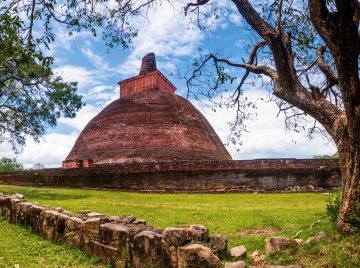
Anuradhapura, the first capital of Sri Lanka, is renowned for its well-preserved ruins, many of which date back over two millennia. Notable attractions include the sacred Sri Maha Bodhi tree, believed to be a sapling from the original Bodhi tree under which Buddha attained enlightenment. Visitors can explore the impressive stupas, such as the Ruwanwelisaya and Jetavanaramaya, along with ancient monasteries that collectively illustrate the city’s historical importance as a center of Buddhism.
Moving on to Polonnaruwa, the second capital, it showcases a blend of vast archaeological sites and well-preserved structures from the Chola dynasty. The Gal Vihara, a remarkable rock temple housing stunning Buddha sculptures, is a highlight. The Parakramabahu Scale and the Royal Palace complex further reveal the ingenuity of ancient Sri Lankan architecture. Travelers will find opportunities to cycle around the ancient city and experience its serene atmosphere.
Next, Sigiriya, famously known as Lion Rock, is a UNESCO World Heritage site and one of the most iconic landmarks in Sri Lanka. This ancient rock fortress features the remains of a royal citadel, surrounded by lush gardens and water features. As visitors ascend the rock, they encounter impressive frescoes and the remnants of the Lion’s Gate. The panoramic views from the summit provide a fascinating glimpse into the ancient civilization that once thrived here.
Lastly, Kandy, the last capital of the Sinhalese kings, is cherished for its cultural heritage. The Temple of the Tooth Relic, which houses a sacred relic of Buddha, draws religious pilgrims and tourists alike. The picturesque lake and vibrant markets enhance the experience, making Kandy a fitting conclusion to an exploration of Sri Lanka’s ancient cities. Each site offers a unique glimpse into the island’s historical significance and is essential for anyone wishing to understand the depth of Sri Lanka’s past.
Architectural Marvels and Ruins
Sri Lanka’s ancient cities are a testament to an illustrious architectural heritage, showcasing a blend of artistry and engineering that remains unrivaled. Among the most notable sites are the impressive temples and stupas that illustrate the intricate craftsmanship of Sri Lankan artisans. The well-known ruins of Anuradhapura and Polonnaruwa feature magnificent structures such as the Ruwanwelisaya stupa and the Vatadage, both demonstrating the sophisticated use of materials and techniques that have survived the test of time.
One distinctive characteristic of Sri Lankan architecture is the elaborate stone carvings, which depict various cultural motifs and motifs inspired by Buddhist teachings. These exquisite embellishments can be observed on ancient structures, providing insight into the spiritual and artistic priorities of their creators. The carvings often reflect scenes from the life of the Buddha and local folklore, inviting viewers to connect with the historical narratives encapsulated within the stone.
Moreover, the innovative construction of vast water reservoirs, such as those found in the ancient city of Sigiriya, exemplifies hydraulic engineering that ensured sustainable water management in these arid regions. The prominence of these reservoirs highlights the foresight of ancient civilizations in addressing agricultural and domestic needs amid changing climatic conditions. These marvels, along with stunning gardens and palace remnants, amplify the significance of ancient Sri Lankan urban planning.
Furthermore, the architectural features of these historic sites provide a window into the socio-political and cultural life of the time. The layout and design of palaces and temples often indicate the power structures and hierarchies that governed ancient Sri Lanka. For visitors, exploring these archaeological gems is not only a journey through time but also an opportunity to appreciate the ingenuity of a civilization that flourished centuries ago. A walk through these ancient cities truly embodies the splendor of Sri Lanka’s glorious past, encouraging a deep appreciation for its architectural heritage.
Cultural Practices and Religious Significance
Sri Lanka’s ancient cities are not merely relics of the past; they are vibrant hubs of cultural and religious significance that reflect the enduring legacy of their history. The influence of Buddhism is particularly pronounced, as the island is home to some of the oldest Buddhist sites, including the sacred city of Anuradhapura and the rock fortress of Sigiriya. These locations serve as pilgrimage sites for devotees and embody the spiritual essence that has been part of Sri Lankan identity for centuries.
The rituals and practices associated with Buddhism—such as meditation, offerings, and communal gatherings—have shaped social cohesion within these ancient cities. Local festivals, such as the Esala Perahera in Kandy, further showcase this cultural richness. This grand festival honors the sacred tooth relic of the Buddha and illustrates the intersection of spirituality and community spirit, drawing thousands of visitors and devotees alike. Through colorful processions featuring elaborately decorated elephants, traditional dance, and music, these events provide insight into the histories and traditions that have endured through time.
Moreover, ancient cities like Polonnaruwa and Dambulla continue to celebrate a variety of rituals that pay homage to historical legacies. The intricate cave temples of Dambulla, for instance, house some of the oldest murals and statues depicting the life of the Buddha, serving as a reminder of the island’s commitment to preserving its spiritual heritage. By engaging with these practices, travelers can appreciate the profound impact they have on Sri Lanka’s cultural landscape, offering a unique perspective on the interwoven narratives of past and present. Understanding these customs fosters a deeper connection to the island’s rich historical narrative, inviting reflection on the enduring significance of its ancient cities.
Exploring Nature and Environment
The ancient cities of Sri Lanka are not merely historical landmarks but also magnificent embodiments of the island’s rich natural environment. Situated amidst lush landscapes, these cities thrive within ecosystems teeming with diverse flora and fauna. The interplay between the ancient urban centers and their surroundings enhances their significance, illustrating how nature has shaped the development of human civilization in this region.
Regions such as Anuradhapura and Polonnaruwa are enveloped by dense forests, sprawling rice paddies, and the tranquil waters of lakes and rivers, creating a vivid backdrop to their archaeological wonders. These environments provided essential natural resources, which were instrumental in the growth of these civilizations. The availability of freshwater, fertile soil, and a diverse array of local wildlife not only sustained ancient populations but also influenced their agricultural practices, architectural designs, and cultural developments.
Additionally, the ancient cities are often located near significant natural features, such as mountain ranges and coastal areas, which played vital roles in trade and transportation. This advantageous positioning facilitated interactions between different communities, allowing for the exchange of ideas and goods, thereby enriching the cultural tapestry of the region.
As travelers seek to explore these historical sites, it is crucial to promote eco-friendly practices that respect and preserve the natural environment. Emphasizing responsible tourism can lead to a deeper understanding of how these ancient cities coexisted with their surroundings while also ensuring that future generations can enjoy their beauty. Visitors should aim to minimize their ecological footprint by engaging in sustainable activities such as hiking, biking, and participating in local conservation efforts.
Ultimately, the harmony between the ancient cities and their natural environment serves as a reminder of the interconnectedness of history and nature, inviting us to reflect on how this relationship can guide us in making responsible choices today.
Practical Travel Tips for Visitors
Exploring the ancient cities of Sri Lanka offers an enriching experience filled with history, culture, and breathtaking landscapes. To ensure a smooth journey, it is vital to consider several travel tips that can help enhance your visit.
First and foremost, the best times to visit these ancient sites are during the dry seasons, which typically run from December to March and April to September. During these months, the climate is relatively pleasant, making it ideal for outdoor exploration. Additionally, visiting early in the morning or late in the afternoon can help you avoid the mid-day heat and large crowds.
Transportation options to reach the ancient cities vary, with buses and trains serving as common means of travel among locals and tourists alike. The railway system in Sri Lanka is particularly scenic, allowing visitors to enjoy the lush countryside en route to cities like Anuradhapura and Polonnaruwa. Alternatively, hiring a private driver may provide a more comfortable and flexible means of transportation, especially for those traveling in groups.
Cultural etiquette plays a significant role while visiting ancient sites in Sri Lanka. It is advisable to dress modestly, covering shoulders and knees, as many temples and religious sites require appropriate attire. Additionally, it is respectful to remove shoes before entering sacred spaces. When interacting with locals, greeting them with a warm smile and a polite “Ayubowan” (hello) can foster a positive atmosphere.
Lastly, consider hiring local guides to enrich your experience. Guides offer valuable insights into the historical significance of the sites and can help you navigate the often-complex landscapes. Resources such as guidebooks, travel websites, and local tourism offices can provide further guidance to ensure that your journey through Sri Lanka’s ancient cities is both memorable and educational.
Personal Experiences and Testimonials
Travelers who have explored the ancient cities of Sri Lanka often recount their journeys with great enthusiasm, emphasizing the unique blend of history and culture that saturates each site. One visitor noted that wandering through the ruins of Polonnaruwa was akin to stepping back in time. The rich tapestry of the ancient architecture, coupled with the lush landscapes, created an enchanting atmosphere. “I felt as though I was walking in the footsteps of kings, surrounded by centuries of history,” they expressed.
Another traveler shared their experience at Sigiriya, famously known as Lion Rock. The climb to the summit, while challenging, was described as profoundly rewarding. “The view from the top is nothing short of breathtaking. You can see the vast expanse of the surrounding jungle and imagine the lives of those who once inhabited this fortress.” This reflection highlights not just the physical exertion required, but the emotional connection many feel when standing atop such a significant monument.
<phowever, a=”” added=”” adventure,”=”” all=”” are=”” as=”” be=”” but=”” can=”” challenges=”” challenges.=”” confusion,=”” culture,=”” demonstrating=”” destinations.<ptravelers a=”” about=”” adventures.
Conclusion: Embracing the Legacy of Ancient Sri Lanka
As we reflect on the remarkable ancient cities of Sri Lanka, it becomes evident that these locations offer a profound glimpse into the island’s rich heritage and vibrant history. From the majestic ruins of Anuradhapura to the intricate frescoes of Sigiriya, each site serves as a testament to the innovative spirit and cultural sophistication of early Sri Lankan civilization. These ancient cities stand not only as monuments of architectural prowess but also as pivotal centers of culture, religion, and governance that shaped the socio-political landscape of the region.
The exploration of these historic urban landscapes provides more than just an opportunity to witness architectural marvels; it also allows travelers to engage with the diverse narratives that have been interwoven across centuries. The remnants of ancient temples, palaces, and reservoirs speak volumes about the advanced engineering and artistic skills of the time, inviting contemplation and admiration. For visitors, walking through the sites can evoke a sense of connection to the past, fostering an appreciation for the diverse cultural influences that have defined Sri Lanka over the millennia.
We encourage readers to embark on their own journeys to explore these ancient cities, as there is much to be gained from experiencing the legacy that continues to resonate today. Travel to these timeless locations not only enriches one’s understanding of Sri Lanka’s historical context but also promotes personal growth through immersive cultural exchange. Engaging with local traditions, customs, and the stories held within these ancient walls can greatly enhance one’s perspective, revealing the undying spirit of a civilization that has withstood the tests of time. In embracing the legacy of ancient Sri Lanka, travelers may find that they themselves become part of a continuing narrative, one that celebrates the importance of history and culture in shaping our present and future.