Introduction
Sri Lanka, an island nation nestled in the Indian Ocean, boasts a rich tapestry of traditional arts and crafts that reflect its diverse cultural heritage and history. Steeped in centuries of influence from various civilizations, including indigenous groups, the Portuguese, Dutch, and British, the artistic expressions found in Sri Lankan crafts embody the amalgamation of these distinct cultural threads. From the intricate wood carvings that tell stories of yore to the vibrant textiles that showcase the skills of generations, each craft is a testimony to the island’s vibrant identity.
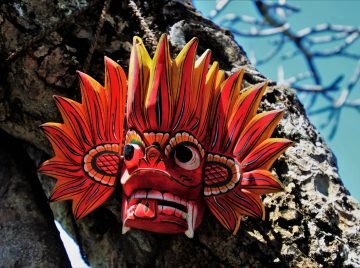
The traditional arts and crafts of Sri Lanka not only serve as aesthetic expressions but also encapsulate the beliefs, values, and daily lives of the Sri Lankan people. These artistic forms have been passed down through generations, ensuring that the cultural narratives and techniques remain alive. The artistic practices are interwoven with the spiritual and communal life of the island, manifesting in religious ceremonies, communal rituals, and daily activities. For instance, the ornate masks used in traditional performances hold significant cultural meanings and are believed to possess protective qualities against evil spirits.
In addition to their cultural significance, these traditional arts and crafts play a vital role in the island’s economy. Many artisans engage in the production of handmade goods, which not only preserve their heritage but also provide livelihoods for communities. The crafts, ranging from ceramics to batik textiles, have found a place in both local and international markets, leading to a resurgence of interest in traditional methods and materials. This growing appreciation highlights the importance of sustaining these crafts for future generations.
This introduction sets the stage for a deeper exploration of the diverse array of Sri Lanka’s traditional crafts, each uniquely illuminating the country’s cultural landscape and its people’s enduring legacy.
Wood Carving: Sculpting Stories in Timber
Wood carving is a distinguished art form in Sri Lanka, deeply rooted in the island’s history and culture. This skilled practice dates back centuries, with artisans honing their craft to create intricate designs and sculptures that tell stories of the past. The medium of choice, timber, allows for both durability and beauty, transforming simple pieces of wood into magnificent works of art. The process not only showcases the creativity of the carver but also reflects the societal values and beliefs embedded within the designs.
Among the notable examples of wood carving in Sri Lanka are the remarkable sculptures found in ancient temples, such as the Embekke Devalaya and Lankatilaka Temple. The carved wooden pillars in Embekke Devalaya are particularly renowned, featuring intricate motifs that celebrate religious themes, mythology, and the natural world. These carvings often depict various deities, celestial beings, and floral patterns, serving both decorative and symbolic purposes. Similarly, the Lankatilaka Temple showcases exquisite wooden work that highlights the craftsmanship and dedication of its creators, captivating visitors with its ornate details and historical significance.
The themes of religion and mythology are prevalent throughout Sri Lankan wood carvings. Many pieces illustrate narratives found in Hindu and Buddhist texts, reflecting the spirituality that permeates the culture. Nature is another common motif; the depiction of flora and fauna not only adds aesthetic value but also represents the island’s rich biodiversity. The values encapsulated in these artworks often serve as a means of cultural preservation, with each carving acting as a testament to the traditional skills passed down through generations.
In essence, Sri Lankan wood carving is a living heritage that continues to thrive, inviting appreciation for its historical significance and intricate artistry. As contemporary artists embrace these traditional techniques, the stories and values represented by these wood carvings endure, providing insight into the cultural identity of the island. The legacy of wood carving remains an essential facet of Sri Lanka’s artistic landscape.
Mask Making: Faces of Tradition
The vibrant mask-making tradition in Ambalangoda, a coastal town in Sri Lanka, is a remarkable expression of the country’s rich cultural heritage. These masks are not merely artistic creations; they are deeply intertwined with the spiritual beliefs and rituals of the local community. Each mask serves a distinct purpose, whether in traditional performances, healing rituals, or cultural celebrations. The craftsmanship behind these masks reflects the artistic prowess of local artisans, who have honed their skills over generations.
In Ambalangoda, masks are primarily categorized into three types: ‘kolam,’ ‘sanni,’ and ‘raksha.’ The ‘kolam’ masks portray lively characters from folklore and are often used in theatrical performances known as ‘ Kolam Nadagam.’ These vibrant masks, characterized by their exaggerated facial expressions and bright colors, are not only entertaining but also serve to convey moral lessons within the narratives they depict.
On the other hand, ‘sanni’ masks are integral to the ritualistic practices associated with traditional healing. These masks represent various diseases or ailments, and they are used in ‘Sanni Yakuma,’ a performance aimed at healing individuals afflicted by illness. The designs of ‘sanni’ masks are intentionally grotesque, capturing the essence of the infections they depict while invoking the spirits to provide relief to the sufferers.
Lastly, the ‘raksha’ masks are symbolic representations of demonic forces and are used in exorcism rituals to ward off evil spirits. Their robust forms and fierce expressions highlight the cultural beliefs regarding the protection of the community and the sanctity of life. Together, these masks not only showcase the artistic talent of Sri Lankan artisans but also serve as vital components of the community’s cultural practices. The tradition of mask-making in Ambalangoda is thus a living testament to the vibrant heritage of Sri Lanka, reflecting its historical narratives, spiritual beliefs, and artistic creativity.
Handloom Weaving: Threads of Heritage
Handloom weaving is a treasured art form in Sri Lanka, deeply intertwined with the island’s culture and history. This ancient craft dates back to centuries, showcasing the skills and creativity of artisans who have been passing down their techniques through generations. The vibrant textiles produced by handloom weavers reflect the rich heritage of Sri Lanka, combining creativity with meticulous workmanship.
Regions such as Kurunegala and Gampaha are well-known for their distinctive weaving traditions. Kurunegala, in particular, is famous for its colorful sarongs, while Gampaha artisans are recognized for producing elegant sarees that are adorned with intricate patterns. These two regions have established themselves as hubs for handloom weaving, attracting both local and international attention due to the uniqueness of their textiles.
Among the techniques employed in handloom weaving, the dobby method stands out for its complexity and beauty. Dobby weaving utilizes a specialized loom that enables the creation of intricate patterns, often seen in high-quality garments. While Sri Lankan artisans do not traditionally use ikat techniques, their expertise in color combinations and detailed pattern work results in equally stunning and culturally significant textiles.
The garments produced through handloom weaving, particularly sarongs and sarees, hold cultural significance in Sri Lankan society. They are not merely clothing items but embody the heritage and identity of various communities. The intricate patterns and vibrant colors often tell stories and represent local traditions, making each piece of handloom textile a unique work of art. This living heritage reflects the spirit of Sri Lanka and serves as a testament to the craftsmanship and dedication of its artisans.
Batik Art: Wax and Dye Narratives
Batik art in Sri Lanka is a vibrant and expressive form that has evolved through various cultural influences, notably during the colonial period. This traditional textile art involves the meticulous application of wax followed by the introduction of dyes, creating intricate designs that showcase the richness of Sri Lankan heritage. Originating from techniques introduced by foreign traders, batik has been skillfully adapted by local artisans who have integrated their unique cultural narratives into this art form.
The process of creating batik begins with the application of hot wax onto fabric, usually cotton or silk. Artisans expertly use a canting tool, which allows for fine lines and detailed patterns to emerge. After the wax has set, the fabric is dyed using vibrant colors that are often derived from natural sources. Once the dye process is complete, the wax is removed, revealing the original fabric’s color intermingled with the newly applied hues. This unique method not only creates stunning visual contrasts but also serves as a reflection of Sri Lanka’s natural beauty and cultural storytelling.
The themes portrayed in Sri Lankan batiks often draw inspiration from the rich flora and fauna of the island, as well as folklore that encapsulates local legends and traditions. Common motifs can include lotus flowers, peacocks, and traditional masks, each carrying significant cultural symbolism. The artistry involved in batik reflects the interconnectedness of nature and mythology, bridging the past with contemporary interpretations. It is this ability to narrate stories through intricate designs that highlights the importance of batik art as a living heritage in Sri Lanka, making it a treasured craft that continues to thrive in modern times.
Beeralu Lace: Threads of Elegance
Beeralu lace, a traditional craft of Sri Lanka, epitomizes the intricate beauty and cultural fusion inherent in the country’s artisanal history. Originating from Portuguese influences during the colonial era, this delicate lace-making tradition has evolved into a vital element of Sri Lankan heritage. The artistry of Beeralu lace involves a meticulous process whereby artisans use wooden bobbins to create intricate patterns of lace, each design reflecting the unique skills and creativity of the craftsman.
The process of making Beeralu lace requires considerable patience and dexterity. Artisans begin by preparing the lace design on a pillow, utilizing numerous bobbins to weave threads into fine patterns. The precision required in manipulating these bobbins ensures the lace forms beautiful motifs, often depicting floral designs or geometric shapes. This method has been passed down through generations, preserving not only the techniques but also the stories and cultural significance behind each piece of art.
Over time, the applications of Beeralu lace have diversified significantly. Although originally used in clothing and ceremonial garments, it is now also prevalent in decorative items, home textiles, and contemporary fashion. The versatility of Beeralu lace allows it to enhance a variety of products, from tablecloths to elegant bridal wear, demonstrating its enduring appeal and adaptability in modern contexts. Moreover, the craft represents a symbiotic relationship between artistic expression and functionality, making it a cherished part of Sri Lanka’s cultural identity.
The significance of Beeralu lace extends beyond aesthetics; it embodies the country’s rich tapestry of cultural influences. As this traditional craft continues to flourish, it stands as a testament to Sri Lanka’s vibrant heritage, capturing the delicate interplay between history, culture, and artistry.
Pottery: Earthy Expressions
The art of pottery in Sri Lanka is a significant aspect of the island’s cultural heritage, dating back thousands of years. Known for its functional and aesthetic qualities, traditional pottery serves as both a utilitarian necessity and a form of artistic expression. Artisans in Sri Lanka have honed their skills over generations, creating functional items such as pots, jars, and cooking utensils, while also producing decorative pieces that reflect the rich cultural tapestry of the island.
One of the most renowned pottery centers in Sri Lanka is Molagoda, located near the city of Kegalla. Here, skilled potters practice techniques that have been passed down through the ages. The process begins with sourcing high-quality clay, which is mixed with water and kneaded to achieve the right consistency. Artisans then shape the clay using hand-building methods or potter’s wheels, allowing for a myriad of forms and styles. Each piece embodies the craftsperson’s unique touch, often adorned with intricate designs that draw inspiration from nature and traditional motifs.
Once shaped, the pottery undergoes a meticulous firing process in kilns, which can be either traditional wood-fired or modern electric. Firing solidifies the clay, enhancing its durability while also allowing for the application of glazes that add color and texture. The transformation from earth to art captures the essence of pottery in Sri Lanka; it is a confluence of practicality and creativity, a duality celebrated by both locals and visitors alike. The distinct features and styles of Sri Lankan pottery not only serve functional purposes but also encapsulate a deeper cultural narrative, reflecting the island’s history, beliefs, and societal values.
Lacquer Work: Glossy Artistry
Lacquer work, known locally as ‘laksha,’ represents a remarkable tradition within the realm of Sri Lankan arts and crafts. This ancient technique involves the meticulous application of resin derived from local trees onto wooden items, resulting in a glossy finish that enhances the wood’s natural beauty. The process is labor-intensive, requiring a skilled artisan to carefully layer the resin and allow each coat to dry before proceeding to the next. This not only ensures a durable and eye-catching surface but also showcases the rich craftsmanship inherent in Sri Lankan culture.
The range of items produced through this vibrant craft is diverse, with artisans commonly creating functional and decorative pieces. Among the notable items are walking sticks, jewelry boxes, and ceremonial utensils, each intricately designed with vivid colors and detailed patterns. The typical motifs reflect traditional Sri Lankan heritage, often incorporating elements from nature, such as floral designs, animals, and geometric shapes. These visual elements not only serve artistic purposes but also carry cultural significance, acting as an expression of the community’s identity and values.
The use of natural dyes further enhances the appeal of lacquer work. Artisans derive these pigments from local plants and minerals, ensuring that the colors are not only vibrant but also environmentally sustainable. The deep reds, greens, and yellows that characterize lacquer products evoke a sense of connection to the land and culture of Sri Lanka, making each piece truly unique. As a living heritage, lacquer work continues to thrive, reflecting both innovation and preservation as contemporary artisans experiment with traditional techniques while honoring their ancestry.
Jewelry Making: Adornments of Legacy
Sri Lanka boasts a rich history of jewelry making, characterized by its unique designs and cultural significance. Over centuries, the art of jewelry-making has evolved, yet it remains an integral part of the country’s heritage. One of the most prominent styles is Kandyan jewelry, which flourished during the Kandyan Kingdom. These adornments, renowned for their intricate craftsmanship, often symbolize social status and ancestral lineage.
The traditional Kandyan jewelry sets, which typically include pieces such as necklaces, earrings, and hair ornaments, are often embellished with gemstones like sapphires, rubies, and emeralds. Each piece is meticulously crafted by skilled artisans who utilize techniques passed down through generations. The designs are influenced not only by local culture but also by the various historical interactions with foreign traders and artisans, which have enriched the craftsmanship and aesthetics.
Jewelry serves more than just a decorative purpose; it is deeply intertwined with social customs and rituals in Sri Lankan society. For example, during wedding ceremonies, traditional jewelry plays a crucial role, often worn by the bride as a representation of her family’s legacy. The ornate pieces symbolize prosperity and beauty, making them treasured heirlooms that are passed from one generation to the next.
Furthermore, the craftsmanship involved in creating these intricate pieces is a labor of love. Artisans spend countless hours perfecting their techniques, ensuring that each adornment retains not only its beauty but also its historical significance. The knowledge and skills necessary for creating these traditional pieces are cultivated through apprenticeships, where younger generations learn from seasoned craftsmen. In preserving this jewelry-making tradition, Sri Lanka not only maintains a vital aspect of its cultural identity but also shares its heritage with the world.
Conclusion: Celebrating a Rich Cultural Legacy
Preserving and celebrating the traditional arts and crafts of Sri Lanka is essential for honoring the nation’s rich cultural heritage. These crafts are not merely artistic expressions; they represent centuries of history, values, and traditions that have shaped the identity of Sri Lankans. Each handmade piece—whether it be elaborate masks, intricately woven textiles, or exquisite pottery—carries with it a story that reflects the islands’ cultural tapestry. It is imperative that both locals and visitors understand the significance of these crafts as living embodiments of Sri Lankan culture.
The role that communities play in sustaining traditional arts cannot be overstressed. Local artisans possess invaluable knowledge and skills, often passed down through generations, that need to be nurtured and supported. By actively participating in workshops, buying local crafts, and encouraging younger generations to learn these skills, individuals can help ensure that these practices are preserved. Similarly, visitors to Sri Lanka can contribute to this legacy by appreciating, purchasing, or promoting local crafts, thereby providing artisans with a sustainable source of income and encouraging the continuation of their art forms.
The interdependence between tradition and modernity highlights the dynamic nature of Sri Lanka’s cultural identity. As globalization continues to influence art forms, there is a profound opportunity for traditional crafts to evolve while retaining their authentic roots. By striking a harmonious balance, it is possible to honor the past while embracing the future. In conclusion, the preservation of Sri Lanka’s traditional arts and crafts is a collective responsibility that enriches not only individual lives but also strengthens community bonds and fosters national pride. Celebrating this rich cultural legacy is vital for sustaining the spirit of Sri Lanka for generations to come.